+6 013 528 2768
marlcustomerservice@yahoo.com

No.59, Jalan Satu
Taman Sri Kluang, Kluang, Johor

Operation Hours
by Appointment Only

Technology
INDIVIDUALISED BIOCHEMISTRY PROFILE (IBP)
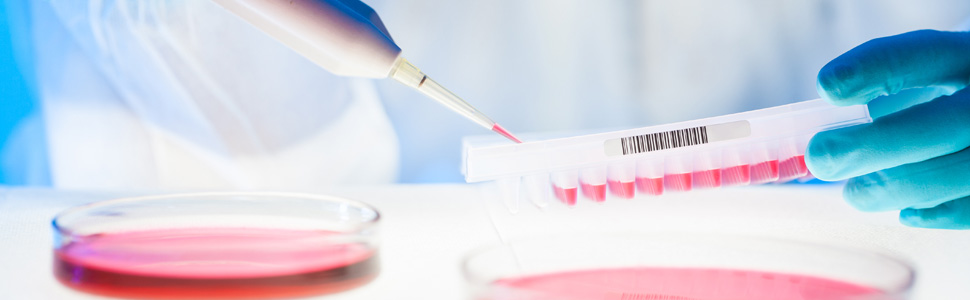
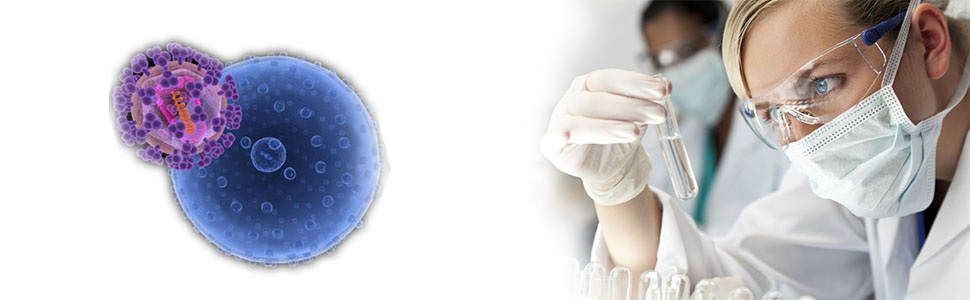
IBP is the complex process of using blood samples to obtain the biochemical profile of an individual. Specific proteins and chemicals in the blood sample are then measured and used as indicators of health. A full IBP report will contain 28 markers that allow IBP experts to:
Discover inherent genetic disorders
Target specific genes that are associated with cancer, cardiovascular diseases and other illnesses to determine at-risk diseases
Asses cell structure damage
Asses a person’s biological terrain such as body toxins and pH
Asses digestive enzymes
Determine possible food and chemical allergies
Establish a complete metabolic profile
Determine optimal body composition (fat, muscle and bone mass)
Correct nutritional deficiencies for optimal cellular and brain function
The IBP report and assessment will allow MARL to customise a precise diet plan to fit nutritional biologic requirements and recommend specific lifestyle changes to resolve health issues, restore beauty and improve quality of life.
WHY IBP?
An Individualised Biochemistry Profile (IBP) analyses things on a cellular level, detecting irregularities and problems that conventional health checkups are unable to determine. This method allows an individual to take preventive measures which can lead to better health in the long term and healthier finances due to avoided illnesses.
PERFECT CELL REPLICATION
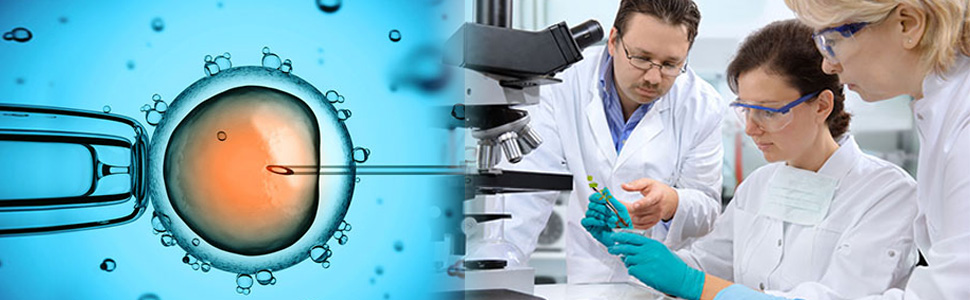
Research and studies have shown a correlation between genes and nutrition; our body’s cells require specific nutrients to carry out their designated functions. By identifying the right nutrients through diet regulation and exercise, we can maintain optimal cellular and gene function. This promotes overall body health and lowers the risk for many common diseases.
ARL LABORATORY CORE TECHNOLOGIES
Longevity Technology
Telomeres are an essential part of human cells that naturally shorten with the aging process on a cellular level. Eventually, they become too short and cease to function. In 2009, Nobel Prize winner Elizabeth Blackburn discovered that telomerase could impact telomere length. At the same time, telomerase can be influenced by proper dietary intake and lifestyle changes.
Did you know?
Genetic Switch Technology
Genetic switch technology refers to the process of activating or maximizing the function of certain genes within our bodies through the proper absorption of certain nutrients. Like an electrical switch, our genes can be turned ‘on’ or ‘off’ through precise diet regulation and exercise. Practiced on a cellular level, this process allows the body to naturally fight back unwanted conditions, boost the body’s natural resistance and even slow down the effects of aging.
Did you know?
Recombinant Technology
Recombinant technology allows individual genes to be isolated and inserted (recombined) into the genome of another organism. It is commonly used in biotechnology, medicine and research. MARL uses a patented recombinant technology procedure to help rejuvenate skin by letting the old layer naturally peel away.
Did you know?
Hormone Regulation
Hormones can build up body resistance and slow the aging process. But as we get older or suffer from illnesses, the number of hormones in our body changes. To regulate this, 191 amino acids that are easily absorbed from food have been identified to increase hormone levels. MARL carefully calculates the amount of amino acids needed by the individual and prescribes the dietary intake needed to maintain hormone levels and production.
Bio Beauty
ARL Laboratory uses state-of-the-art diagnostic methods to help MARL establish an individual’s biological profile to highlight illness and aging markers. Next, nutritional therapy (using dietary management and nutrients) is introduced to boosts a body’s own self-healing capabilities and help maintain a body at its peak levels in the most natural and least harmful way. In short, MARL helps you achieve the facelift effect without the surgery.